




Navigating RV Winterization: The Essentials
When temperatures drop below freezing, protecting your RV's plumbing system is your highest priority. Whether you are prepping for months of storage or facing an unexpected early freeze warning, proper winterization prevents costly cracked pipes and damaged water pumps.
A common question among first-timers is: how much pink stuff do I need? For most standard travel trailers and motorhomes, two to three gallons of non-toxic RV antifreeze is usually sufficient to clear the lines, provided you thoroughly drain the water heater and low-point drains first.
Is Complete Winterization Always Necessary?
If you plan on winter camping or live in a very mild climate, complete winterization with antifreeze might not be necessary. However, if your rig will sit completely unheated during freezing conditions, blowing out the lines with compressed air and pumping in RV antifreeze is the only foolproof way to avoid disaster.
- Drain the fresh water, gray, and black tanks completely.
- Bypass the water heater to avoid wasting gallons of pink antifreeze.
- Open all low-point drains and blow out remaining water with compressed air.
- Pump RV antifreeze through every faucet, shower, and toilet until it runs pink.
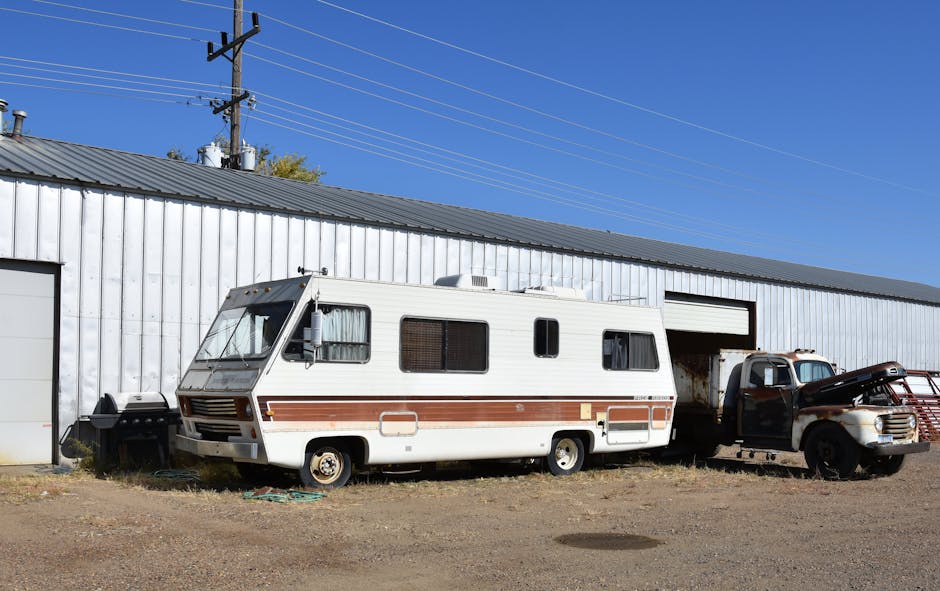
Choosing the Right Winter Storage Spot
Changing storage spots or upgrading to covered storage can drastically increase the lifespan of your RV's exterior decals, roof seals, and tires. Uncovered outdoor lots expose your rig to heavy snow loads, UV degradation, and relentless moisture.
Covered vs. Open-Air Storage
If you have the budget, a canopy or enclosed garage protects your roof from ice dams and minimizes snow accumulation. If you choose an open-air lot, invest in a breathable, high-quality RV cover designed to withstand winter winds without trapping condensation underneath.
For those traveling through the southern regions or searching for campgrounds for the winter months, plenty of RV parks stay open year-round to offer mild-weather escapes. If you prefer to stay put in a cold climate, avoid placing space heaters directly underneath your trailer, as improvised skirt heating and auxiliary heat sources pose severe fire hazards.
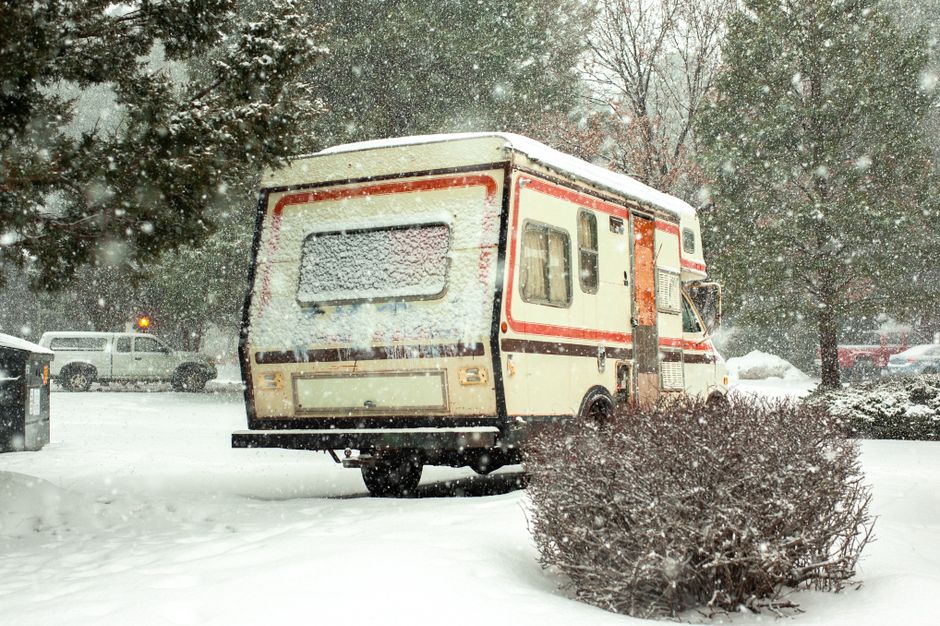
Protecting Tires and Motorhomes During Long-Term Storage
Your RV tires bear the heavy brunt of winter storage. Sitting stationary in freezing temperatures on cold concrete or damp ground can cause flat-spotting and premature rubber dry rot.
Best Practices for RV Tires and Motorhome Storage
To keep your tires healthy until spring, inflate them to the maximum recommended pressure before parking. Use rubber tire covers to shield them from UV rays and harsh winter elements, and place plastic or rubber leveling blocks underneath to elevate the tires off cold, moisture-sapping ground.
For motorized rigs, motorhome storage requires a few extra steps. Keep your fuel tank full and add a fuel stabilizer to prevent moisture buildup and varnish in the lines. Disconnect the house and chassis batteries, or bring them indoors to maintain a healthy charge throughout the freezing months.