




Navigating RV Winterization: Do You Really Need It?
When temperatures drop, every RVer faces the dreaded decision: is a complete winterization actually necessary? If you live in an area where temperatures stay well below freezing for extended periods, the answer is a resounding yes. A single hard freeze can burst pipes, ruin water pumps, and lead to thousands of dollars in repair bills.
However, if you are only facing a sudden early freeze warning overnight, you might not need to pump gallons of pink antifreeze into your lines immediately. Quick temporary winterization methods—like blowing out your lines with compressed air and opening low-point drains—can easily tide you over until a warm spell returns or full storage prep is required.
How Much Pink Antifreeze Do You Need?
First-time winterizers always ask the same burning question: how much RV antifreeze do I actually need to buy? For a standard 20 to 30-foot travel trailer, you will typically need about 2 to 3 gallons of non-toxic RV propylene glycol antifreeze if you thoroughly blow out the lines with compressed air first.
If you plan to bypass the air blowout method and pump antifreeze directly from the jug through your entire plumbing system, you should double that amount. Always keep an extra gallon or two on hand to pour down sink traps and the shower drain to protect your P-traps from cracking.
- Drain your fresh water, grey water, and black water tanks completely.
- Bypass your water heater to avoid wasting gallons of antifreeze filling the tank.
- Open low-point drains and use compressed air to clear out residual moisture.
- Pump RV antifreeze through every faucet, showerhead, and flush valve until you see pink.
Protecting Tires and Managing Storage Locations
Your tires take a massive beating when sitting stationary in cold weather storage, especially when parked directly on freezing concrete, gravel, or damp ground. To prevent flat-spotting and rubber degradation, inflate your tires to the maximum recommended pressure before parking, and use tire covers to shield them from damaging UV rays.
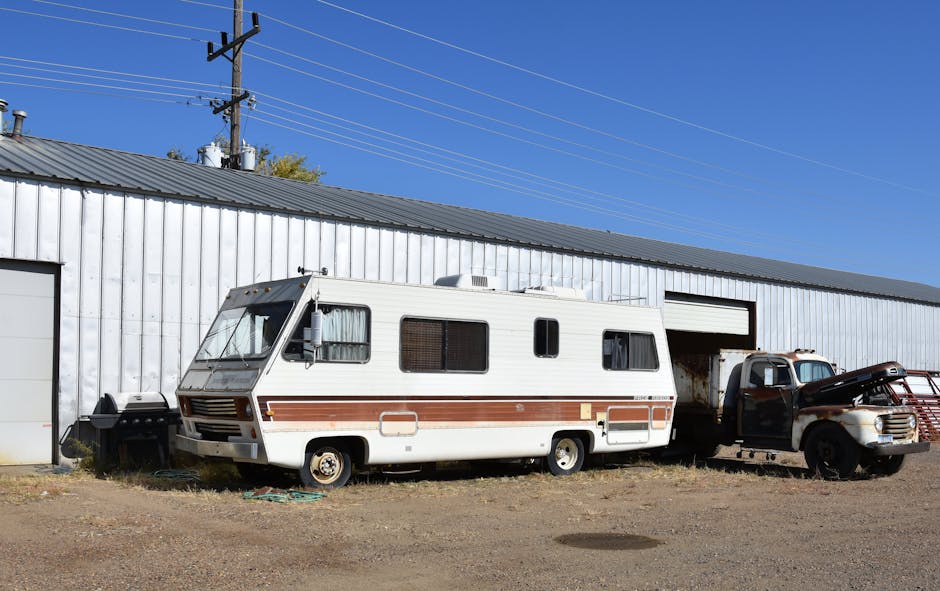
Choosing the right storage environment is just as critical as plumbing care. Covered storage provides immense protection against heavy snow loads, ice accumulation, and harsh winter storms, drastically extending the life of your RV roof seals. If you are storing your motorhome outdoors, routinely check areas prone to pooling, such as front driver-side storage bays, to ensure seals are tight and moisture isn't quietly accumulating inside your compartments.
Pro Tips for Interior and Cabinet Maintenance
When buttoning up your rig for the winter, don't overlook the interior mechanics. Small storage cabinet doors—especially those mounted over high-use appliances like microwaves—frequently suffer from failing struts or hardware due to temperature fluctuations and road vibrations during transit to the storage facility. Upgrading or supporting these small doors with proper tension rods or catches prevents them from swinging open and snapping hinges.
Finally, place several moisture-absorbing containers or reusable dehumidifiers throughout the living space. This simple step stops mold, mildew, and musty odors from taking over your motorhome while it sits locked up for the long winter months ahead.